


How to Buy GOOGLEAI in 2026: A Beginner’s Step-by-Step Guide to Google AI
How to buy GOOGLEAI begins with knowing what it is: Google AI (GOOGLEAI) is a BNB Chain token that trades mainly through on-chain swaps, where liquidity and market attention shape most of the price action. It’s positioned as a narrative-style token that attracts interest through its branding and community-driven trading behavior rather than a traditional utility model with clear cash-flow fundamentals.
A simple way to access GOOGLEAI from a self-custody setup is to buy GOOGLEAI with Bitget Wallet, which lets you swap on-chain and manage the token in one place. In this article, you’ll learn where to buy GOOGLEAI, how to buy GOOGLEAI step by step, and what drives GOOGLEAI price volatility.
Manage all your tokens in one beginner-friendly app – download Bitget Wallet today.
Key Takeaways
- How to buy GOOGLEAI correctly depends on network accuracy (BNB Chain), contract verification, and slippage discipline during a GOOGLEAI swap.
- Where to buy GOOGLEAI is mainly an on-chain question: execution quality depends on liquidity depth and the trading pair route available at the time.
- GOOGLEAI price volatility is typically driven by attention and liquidity conditions, so risk control matters more than timing.
- Buy GOOGLEAI with Bitget Wallet to swap on BNB Chain from a self-custody setup, review routing/slippage before confirming, and manage GOOGLEAI in one place after purchase.
What Is Google AI (GOOGLEAI)?
Google AI (GOOGLEAI) is a BNB Chain token that most users access through on-chain swaps rather than a traditional exchange order book. It trades like a narrative-driven microcap, where market attention and available liquidity tend to shape price behavior more than utility demand. This makes swap execution (route + slippage + pool depth) a core part of the buying experience.
What makes (Google AI) GOOGLEAI different from utility tokens?
- Narrative vs utility: GOOGLEAI is best categorized as a narrative/meme-style token, not a utility token with clear product-driven demand.
- Price driver: Price action is typically driven by sentiment + liquidity + visibility/listings, meaning momentum can change quickly when attention shifts or liquidity tightens.
- Where it trades: BNB Chain, primarily via DEX liquidity venues (commonly routed through PancakeSwap pools inside wallet swap interfaces).
Is (Google AI) GOOGLEAI a scam or just high-risk?
Use a careful classification:
- Not automatically a scam, but high-risk if: limited transparency, thin liquidity, copycats using similar names, sudden pumps, or unclear control over key token mechanics.
- What users must do:
- Verify the official contract address
- Avoid unofficial links and name-based searching; use contract-first navigation when buying.
- Watch liquidity depth and holder concentration dynamics, because high holder counts don’t automatically mean healthy trading conditions.
Where to Buy GOOGLEAI?
When users ask “where to buy GOOGLEAI,” they usually mean the best mix of convenience, safety, and execution quality. The real decision is custody model: custodial platforms hold assets for you, while on-chain swaps let you trade directly from your own wallet.
GOOGLEAI is a BNB Chain token, so the most common access path is an on-chain swap through available DEX liquidity routed inside a wallet. This route favors speed and control, but you’re responsible for execution settings like routing and slippage.
What’s available depends on listings + liquidity. If GOOGLEAI liquidity is concentrated on-chain, the most practical “where to buy GOOGLEAI” answer is the wallet swap route; if a CEX listing exists later, that adds an alternative path, but execution quality still depends on depth and market activity at the time.
Comparison of GOOGLEAI Buying Methods
| Buying Method | Custody Model | Execution | Control | Recommended For | Main Risks |
| On-chain Swap (DEX via Wallet) | Non-custodial | User-controlled, on-chain | High | Self-custody, DeFi users | • Contract impersonation • Price slippage • Gas fee volatility |
| On-chain UEX (via Exchange) | Custodial | Platform-managed, on-chain | Medium | Users who want on-chain exposure without wallet management | • Custodial exposure • Withdrawal limits • Platform dependency |
| Centralized exchange (CEX) | Custodial | Platform-managed | Low | Beginners, high-liquidity traders, fiat on-ramps | • Custodial risk • Withdrawal delays • Regional or national regulatory restrictions |
Why Many Users Buy GOOGLEAI With Bitget Wallet?
If Google AI (GOOGLEAI) liquidity is mainly on-chain, a non-custodial wallet helps you swap while keeping control of assets. Buy GOOGLEAI with Bitget Wallet to access on-chain liquidity directly and reduce common beginner mistakes like swapping the wrong asset or interacting with impersonation tokens.
What Bitget Wallet Helps With?
✅ Self-custody and asset control
Users retain full ownership of private keys and funds, reducing exposure to custodial and platform-related risks.
✅ On-chain swaps with transparent execution
Explore over 1M tokens with real-time in-app rankings—discover trending assets early and stay ahead of the market.
✅ Multi-chain access with cost-efficient execution
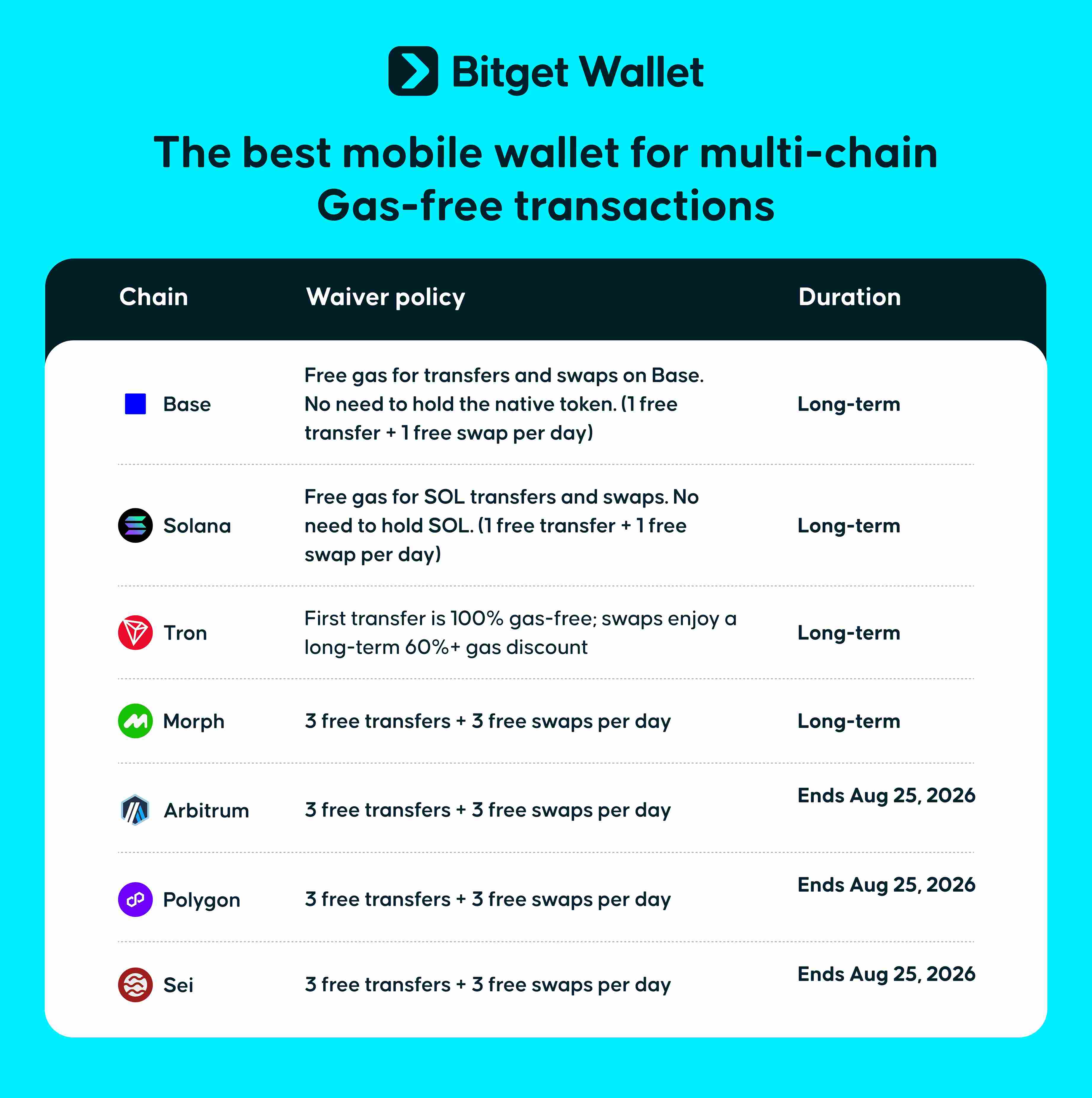
Bitget Wallet supports 130+ blockchains, including 7 major networks such as Solana, Base, Arbitrum, Polygon, Tron, and more. This allows users to buy, hold, and manage GOOGLEAI across different ecosystems without being locked into a single chain environment.
On supported networks, users can also benefit from gas-free transactions or long-term gas discounts, helping reduce execution costs when swapping, transferring, or managing assets across chains—an advantage for users who trade frequently or operate across multiple ecosystems.
✅ Flexible post-purchase asset management
After buying GOOGLEAI, users can hold, transfer, or manage assets freely across supported chains without withdrawal limits or third-party restrictions, making it easier to adapt to changing liquidity or market conditions.
Sign up Bitget Wallet now - grab your $2 bonus!
How to Buy Google AI(GOOGLEAI) on Bitget Wallet?
Trading Google AI(GOOGLEAI) is easy on Bitget Wallet. Follow these simple steps to get started:
Step 1: Create an Account
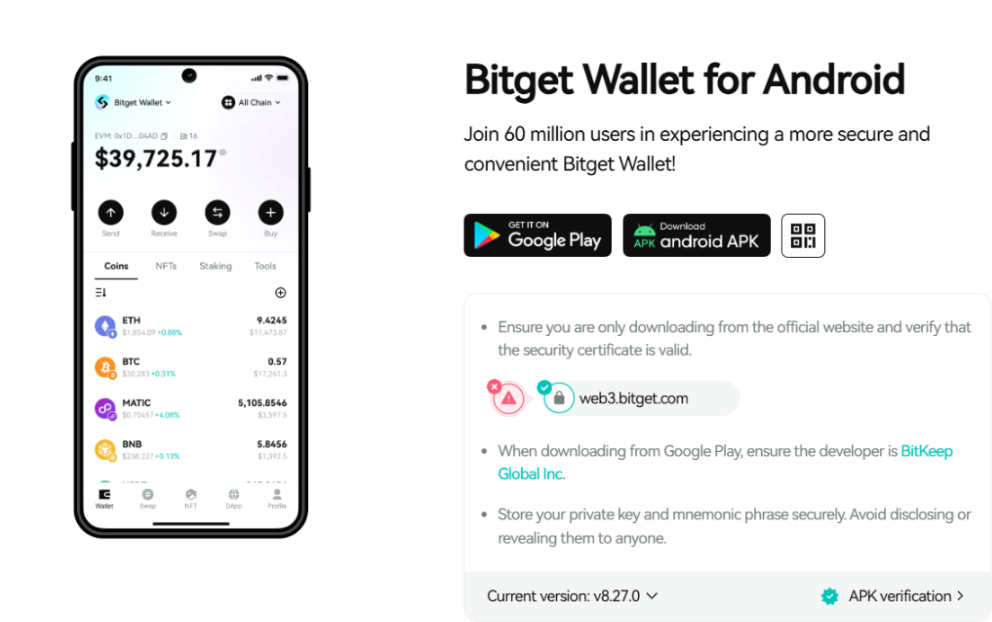
If you don't have an account, download the Bitget Wallet app. Sign up by providing the necessary information and verifying your identity.
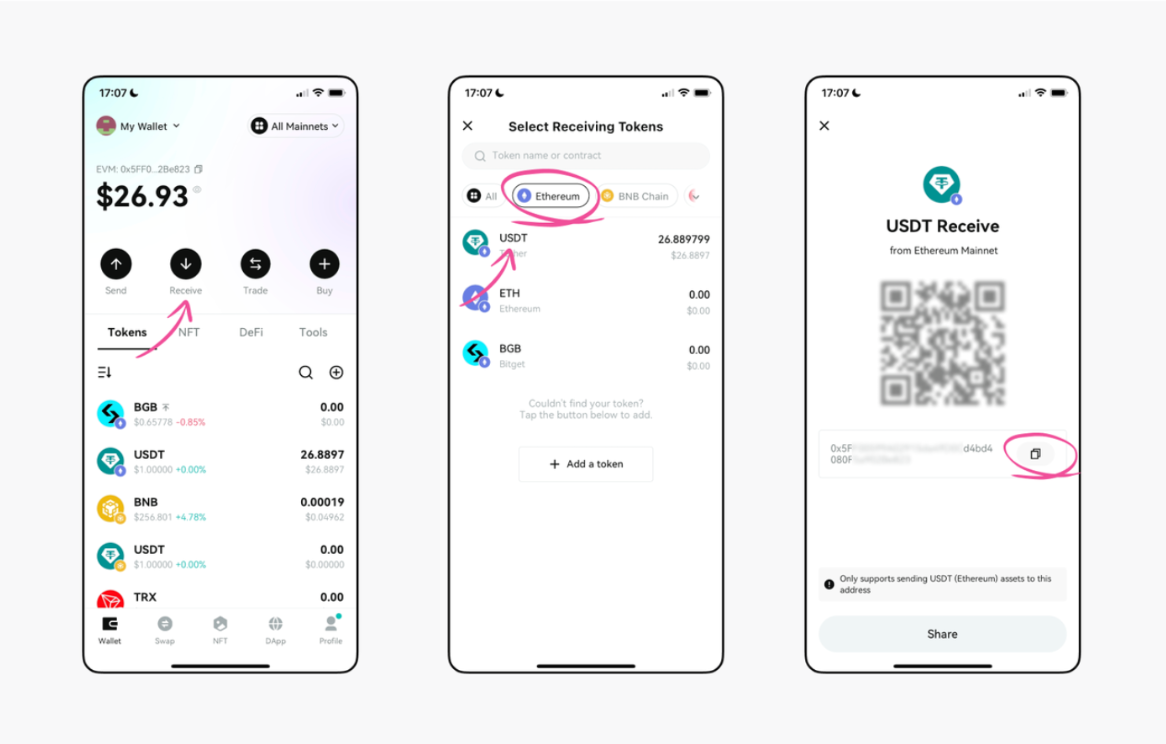
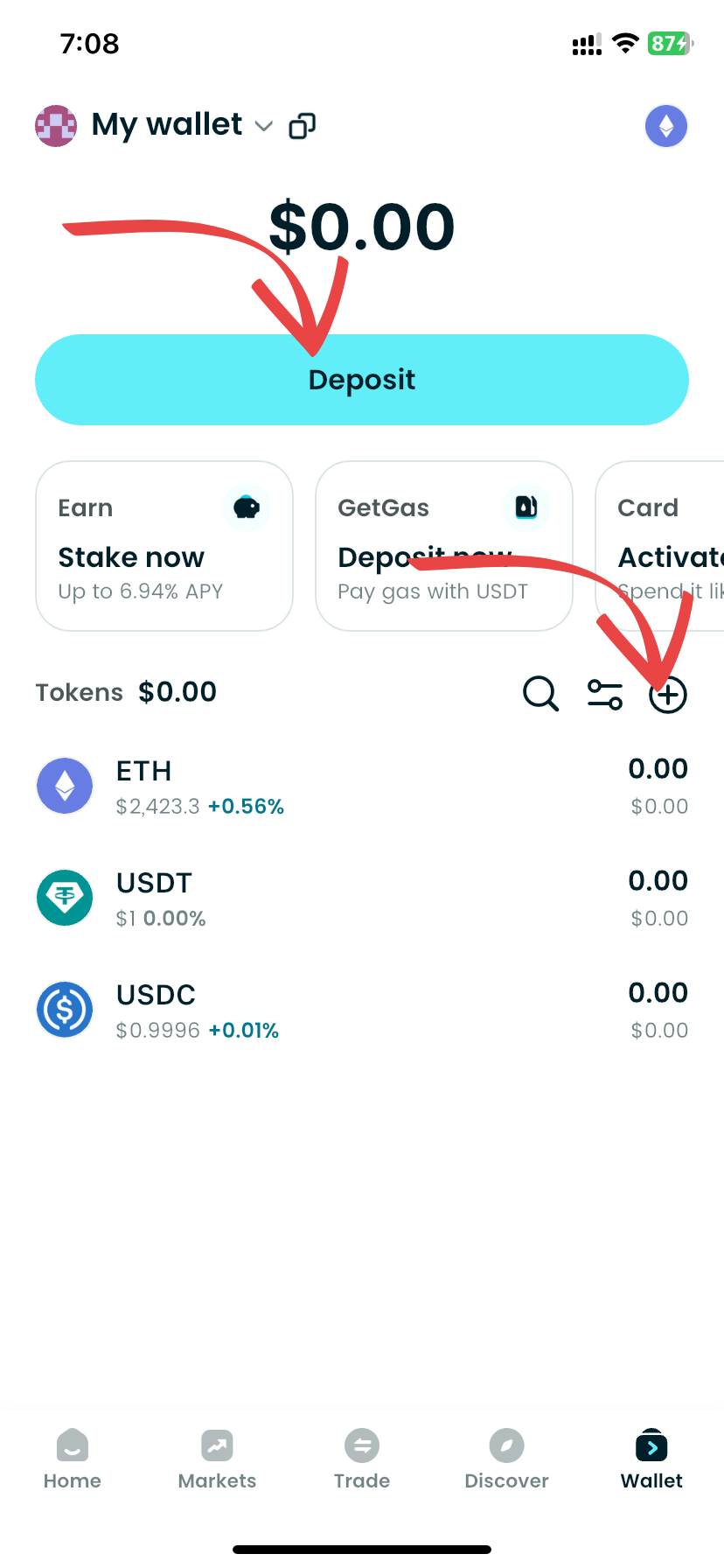
Step 2: Deposit Funds
Once your account is set up, you need to deposit funds. You can do this by:
- Transferring Cryptocurrency: Send crypto from another wallet.
- Buying Crypto: Use a credit or debit card to purchase crypto directly on Bitget Wallet, ensuring you have enough funds for trading Google AI(GOOGLEAI).
Step 3: Find Google AI(GOOGLEAI)
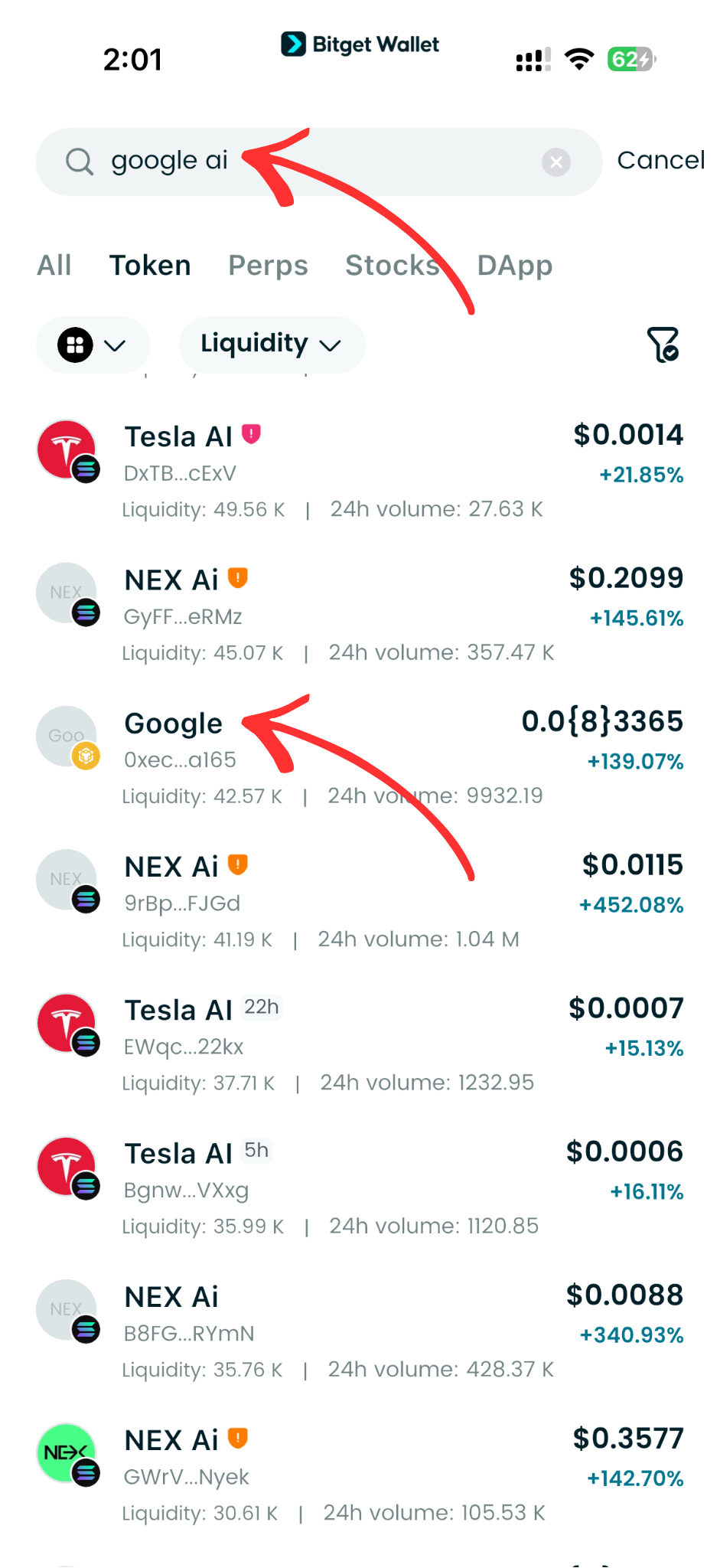
In the Bitget Wallet interface, navigate to the market section. Use the search bar to find Google AI(GOOGLEAI). Click on the token to view its trading page.
Since this token has not been listed yet, please refer to the final contract address provided by the project team after the token is officially listed.
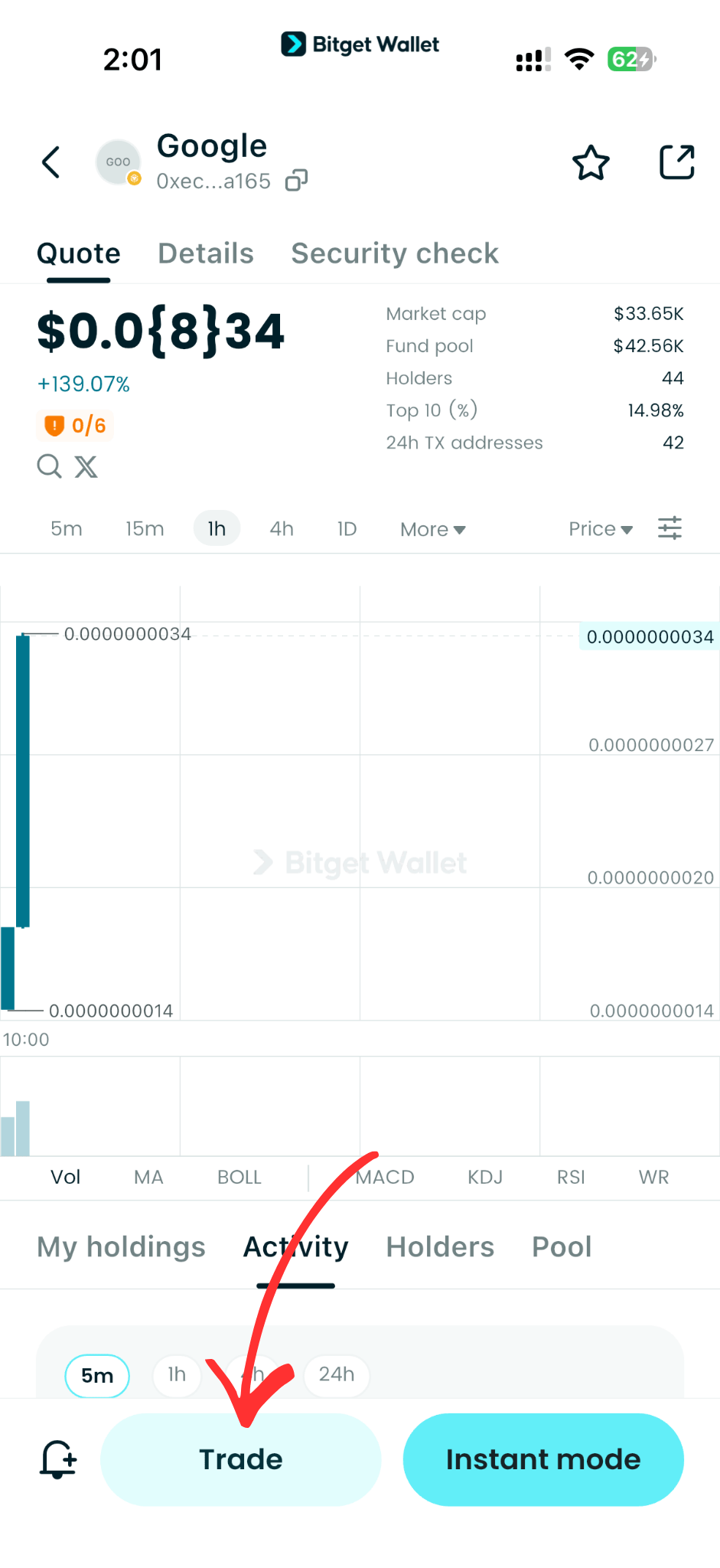
Step 4: Choose Your Trading Pair
Select the trading pair you wish to use, such as GOOGLEAI/USDT. This will allow you to trade Google AI(GOOGLEAI) against USDT or another cryptocurrency.
Step 5: Place Your Order
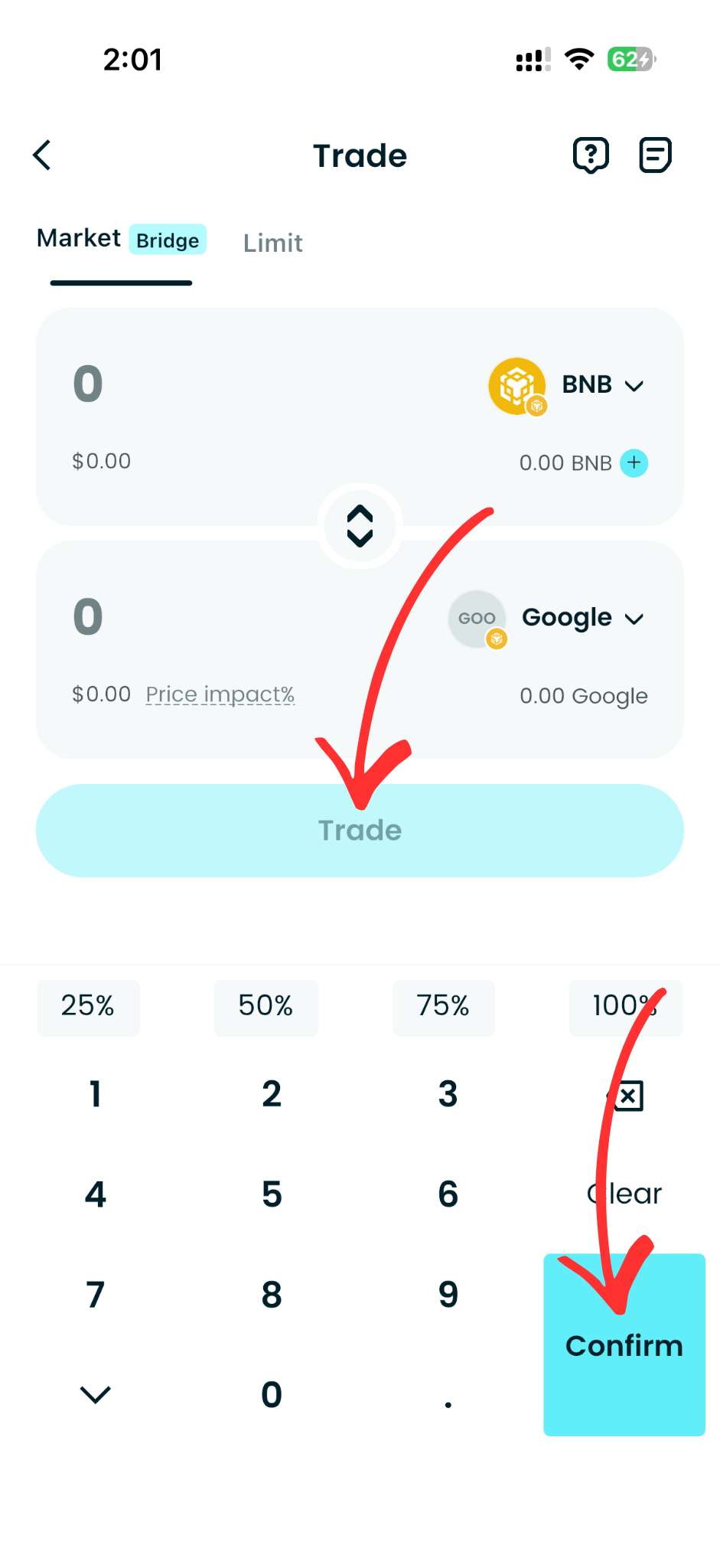
Decide whether you want to place a market order (buy/sell at the current market price) or a limit order (set your own price). Enter the amount of Google AI(GOOGLEAI) you wish to buy or sell, then confirm your order.
Step 6: Monitor Your Trade
After placing your order, you can monitor its status in the “Open Orders” section. Once the order is executed, you can check your balance to see your newly acquired Google AI(GOOGLEAI).
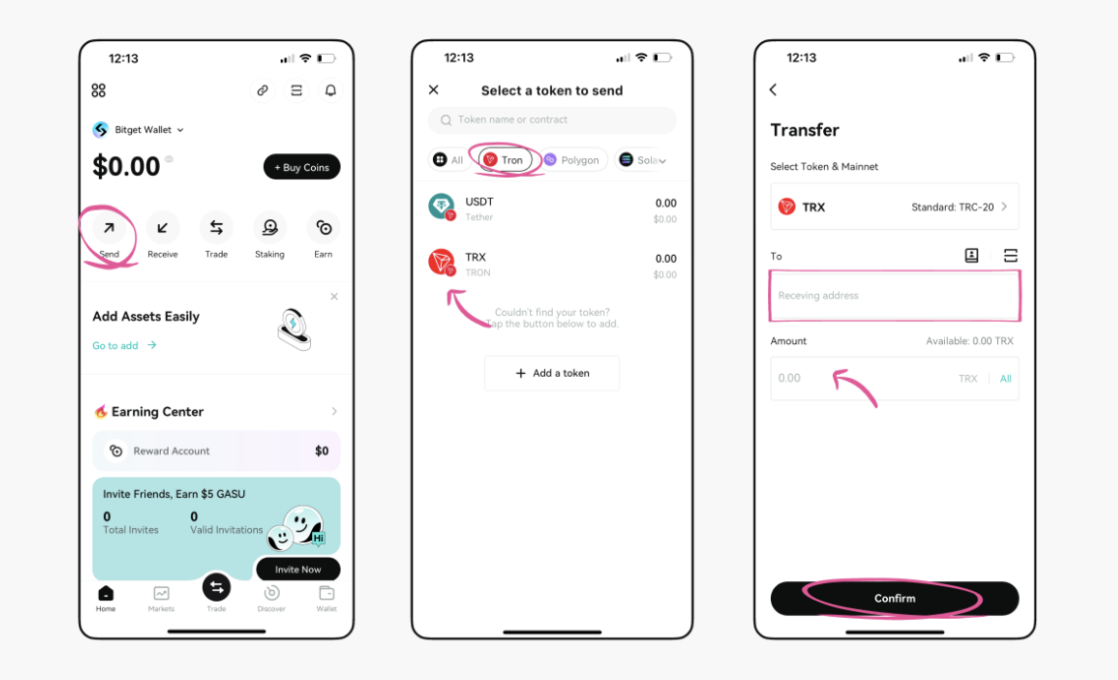
Step 7: Withdraw Your Funds (Optional)
If you wish to transfer your Google AI(GOOGLEAI) or any other cryptocurrency to another wallet, navigate to the withdrawal section, enter your wallet address, and confirm the transaction.
▶Learn more about Google AI(GOOGLEAI):
What Should You Know About GOOGLEAI Price Volatility?
GOOGLEAI price volatility is typical of a narrative-driven microcap token traded mainly through on-chain swaps on BNB Chain. Its volatility is primarily driven by market attention/sentiment and liquidity depth, meaning price can swing sharply when trading activity changes or when pool liquidity is thin.
GOOGLEAI can experience sharp price fluctuations because on-chain microcaps often have uneven liquidity and fast-moving order flow, so relatively small buy/sell pressure can move price disproportionately. Volatility also spikes when social attention rotates in or out, causing sudden bursts of activity followed by quiet periods.
Because GOOGLEAI is accessed via on-chain liquidity, pool depth and swap execution conditions (routing and slippage) can amplify moves—especially when liquidity is limited. Treat GOOGLEAI price volatility as a risk characteristic to manage with controlled exposure and disciplined execution, not as an “opportunity” to chase.
GOOGLEAI Price Prediction: How High Can Google AI Go?
The value of Google AI (GOOGLEAI) is shaped more by market attention and liquidity depth than measurable fundamentals. Because price can be highly sensitive in low-liquidity conditions, treat any projection as a scenario range rather than a forecast. Based on the swap view today, the only defensible anchor is the current displayed price (~$0.0001956), and any “range” should be derived from an external chart window (7D/30D high-low) rather than assumed.
Key Factors Impacting Google AI (GOOGLEAI) Price
- Market Conditions: Risk sentiment, BNB Chain activity, and broader meme/narrative rotations can move microcaps quickly.
- Adoption & Utility: If verifiable utility, channels, or integrations emerge, market perception can change; if not, attention remains the main driver.
- Project Expansion: Increased visibility, community activity, and deeper liquidity can stabilize execution—while thin liquidity can keep price discovery fragile.
Future Price Outlook
If liquidity deepens and attention persists, GOOGLEAI can become easier to trade with lower slippage; if liquidity remains thin, price behavior can stay unstable and execution-heavy. Before participating, prioritize contract verification, liquidity awareness, and exposure control.
Source: Bitget Wallet Swap
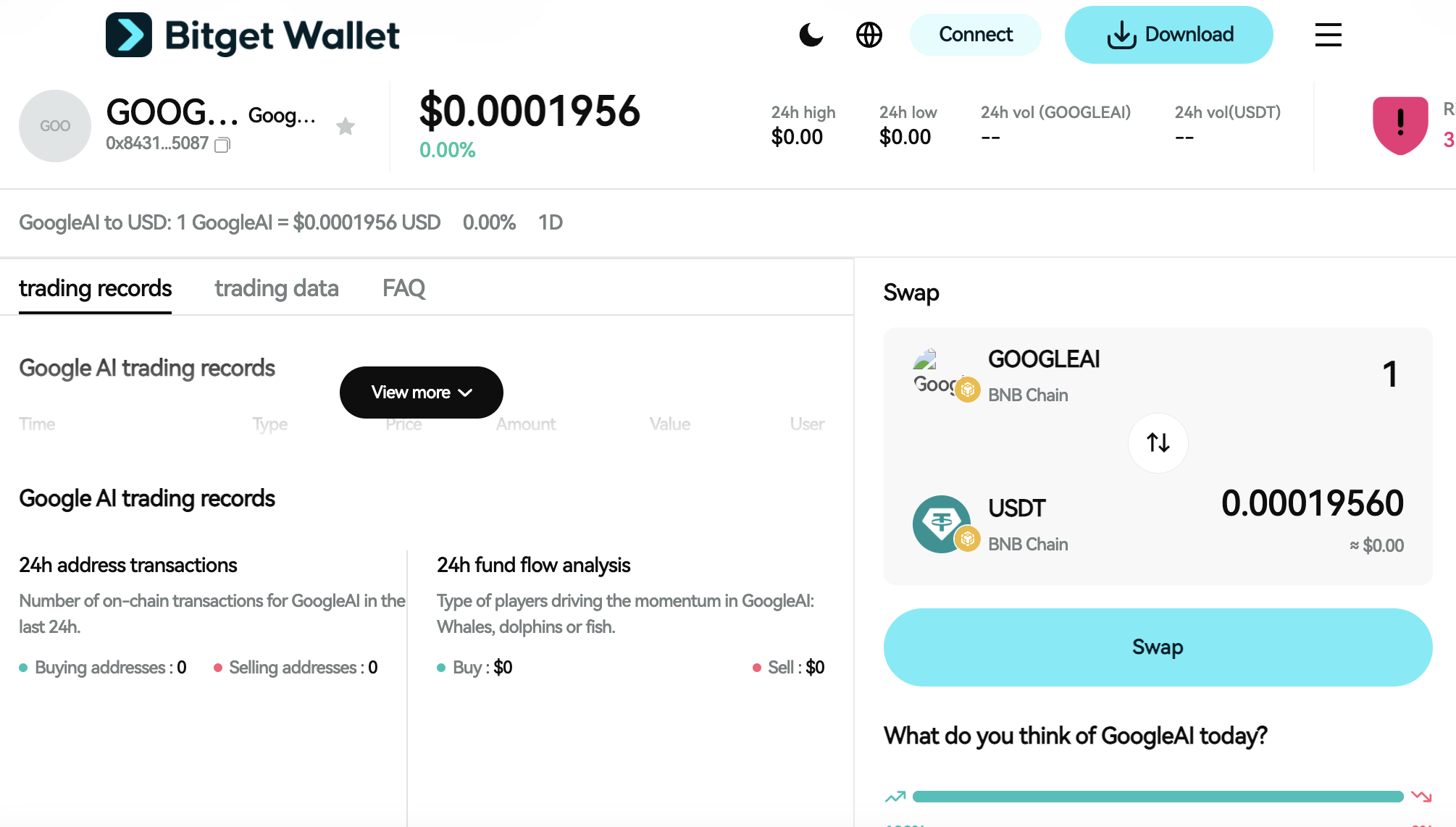
Source: Bitget Wallet
Is GOOGLEAI Crypto Safe to Invest In?
Safety with GOOGLEAI depends less on the token name and more on how you trade and manage risk—especially because this is a narrative-driven microcap mainly accessed through on-chain swaps. Execution quality (correct chain, correct token, slippage control) and position sizing are what determine whether your experience is “safe” or costly.
Key risks include:
- Fake tokens / impersonation: Same-name clones can appear, and swapping the wrong token is an irreversible mistake.
- Low liquidity and slippage: Thin pools can cause large price impact, poor fills, and sudden volatility during swaps.
- Overexposure to volatility: Microcaps can draw down quickly when attention fades, especially if you size too large.
- Attention-driven pumps and reversals: Sentiment shifts can trigger fast moves that are not tied to fundamentals.
No speculative crypto asset is risk-free. If you choose to buy GOOGLEAI on-chain, treat safety as a process: verify what you’re trading, control slippage, keep position sizes small, and avoid emotional execution.
How to Approach GOOGLEAI Volatility With a Smarter Strategy?
With GOOGLEAI price volatility, discipline matters more than timing because moves are often driven by liquidity conditions and attention, not predictable fundamentals. You reduce avoidable losses by using controlled exposure, clean execution, and rules-based sizing. This approach builds transferable on-chain skills you can apply to any token you trade later.
Key principles to follow:
- Observe on-chain liquidity behavior: check pool depth and expected price impact before you swap.
- Use small position sizes: treat entries as controlled exposure, not all-in bets.
- Set clear capital limits: define a maximum allocation and a maximum loss you’re willing to tolerate.
- Prioritize secure execution: correct chain, correct token selection, conservative slippage, and no rushed swaps.
Over time, this process improves your execution, reduces costly mistakes, and builds durable on-chain habits—useful regardless of whether GOOGLEAI stays popular or the narrative rotates elsewhere.
Conclusion
How to buy GOOGLEAI in 2026 is mainly about clean on-chain execution: choose the right route on BNB Chain, manage slippage, and keep position sizes disciplined so volatility doesn’t dictate your decisions. If you treat GOOGLEAI as a narrative-driven microcap and focus on process over hype, you’ll avoid most beginner mistakes.
Ready to swap with a simpler self-custody flow? Buy GOOGLEAI with Bitget Wallet to access on-chain liquidity, execute swaps in a few taps, and manage your assets in one place. Download Bitget Wallet now and start trading trending tokens with more control.
Trade, store, and explore Web3 seamlessly – beginner-ready with Bitget Wallet.
Sign up Bitget Wallet now - grab your $2 bonus!
FAQs
Q1. How to buy GOOGLEAI safely as a beginner?
How to buy GOOGLEAI safely as a beginner is about process, not speed: use the correct network (BNB Chain), verify you’re selecting the correct token, start with a small swap, and keep slippage conservative so you don’t get a bad fill. After the swap, confirm the token in your wallet matches what you intended to buy before increasing exposure.
Q2. Where can I buy GOOGLEAI?
Where to buy GOOGLEAI is mainly an on-chain question because it’s typically accessed through DEX liquidity routes. Most users buy GOOGLEAI on-chain via a wallet swap flow, where execution quality depends on available liquidity and routing at the time.
Q3. Do I need KYC to buy GOOGLEAI?
Whether KYC is required depends on the purchase method. Centralized exchanges (CEXs) typically require KYC, as users trade through custodial accounts managed by the platform.
In contrast, buying GOOGLEAI through on-chain swaps using a non-custodial wallet like Bitget Wallet does not require KYC. Users interact directly with decentralized liquidity from their own wallet, without submitting identity information. However, this also means users are fully responsible for security, contract verification, and transaction execution.
Q4. Is GOOGLEAI crypto high risk?
Yes. GOOGLEAI is best treated as high risk because narrative-driven microcaps can have thin liquidity and attention-led volatility, which increases slippage, price swings, and execution risk. High risk doesn’t automatically mean “scam,” but it does mean you should use small sizing, strict limits, and disciplined execution.
Q5. What is the GOOGLEAI contract address, and why does it matter?
The GOOGLEAI contract address is the most reliable identifier for the token when you buy GOOGLEAI on-chain, because names and tickers can be copied by impersonation tokens. Verifying the contract before swapping helps ensure you’re interacting with the correct asset and not a same-name clone.
Risk Disclosure
Please be aware that cryptocurrency trading involves high market risk. Bitget Wallet is not responsible for any trading losses incurred. Always perform your own research and trade responsibly.
 How to Buy LAB in 2026: A Beginner’s Step-by-Step Guide to LAB2026-05-15 | 5 mins
- How to Buy ZEC in 2026: A Beginner’s Step-by-Step Guide to Zcash2026-05-07 | 5 mins
 How to Buy QUQ in 2026: A Beginner’s Step-by-Step Guide to Quq2026-04-24 | 5 mins



